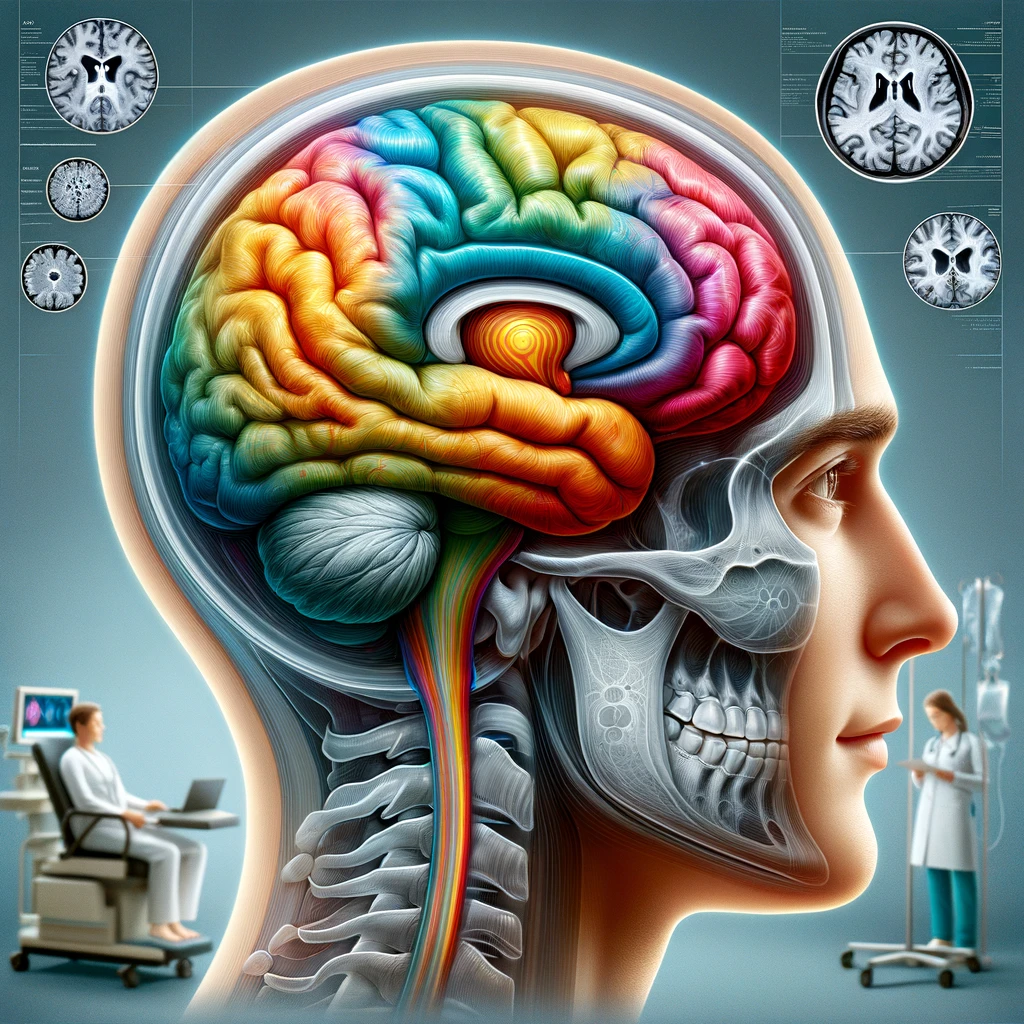

- Understanding the complexity of functional neurological disorder
- The role of psychological support in patient care
- Building a multidisciplinary treatment approach
- Social and occupational challenges faced by patients
- Empowering patients through education and advocacy
Functional Neurological Disorder (FND) occupies a unique and often misunderstood space in the field of neurology. Unlike most neurological conditions where a structural or biochemical abnormality can be clearly identified, FND presents with genuine neurological symptoms—such as seizures, limb weakness, or sensory disturbances—but without detectable damage on conventional imaging or laboratory tests. This diagnostic ambiguity can make it challenging for both medical professionals and patients to fully grasp the nature of the condition, often leading to misdiagnoses or frustration on both sides.
The complexity of FND lies not only in its elusive aetiology but also in the variability and breadth of symptoms experienced by individuals. These symptoms can fluctuate in intensity and presentation, further complicating diagnosis and treatment. The unpredictability of the disorder often erodes the patient’s quality of life, creating additional emotional and psychological distress. For many patients, there is the added burden of stigma—both social and medical—as they navigate scepticism from those who question the legitimacy of their condition due to the absence of clear-cut organic causes.
To truly support individuals with FND, it is essential to move beyond a purely biomedical model. The interplay of neurological, psychological, and social factors requires a broader understanding that embraces the complexity of mind-body interactions. Research has begun to shed light on how maladaptive brain processes and functional connectivity issues contribute to FND, yet no single cause has been identified, emphasising the need for comprehensive and tailored approaches to care.
The diagnostic process itself plays a crucial role in legitimising the patient’s experience. A clear, confident diagnosis delivered by a knowledgeable clinician can have therapeutic value in and of itself, helping patients make sense of their symptoms and take the first steps towards recovery. However, the lack of widespread public education and professional training means that many healthcare providers still struggle with identifying and managing FND appropriately, leading to delayed or inappropriate treatment strategies.
Understanding FND also means recognising its impact on identity, agency, and daily functioning. Patients often describe a sense of losing control over their bodies and lives, a distress compounded by the limited awareness of the condition within both the medical community and the general public. Addressing these issues requires not only clinical excellence but also empathy, open communication, and an awareness of the systemic gaps in care and support that FND patients often encounter.
The role of psychological support in patient care
Psychological support forms a crucial foundation in the treatment of individuals with Functional Neurological Disorder (FND). While medical interventions may address specific symptoms, they often fall short in providing the emotional resilience and coping mechanisms that many patients need to navigate the daily realities of living with FND. The psychological burden of uncertainty, physical limitations, and social misunderstanding can be profound, often leading to anxiety, depression, and reduced quality of life. As such, integrating psychological therapies into the care plan is not merely complementary—it is essential.
Cognitive behavioural therapy (CBT) has shown promising outcomes for many FND patients, helping individuals identify and reframe negative thought patterns and behaviours that can exacerbate symptoms. In some cases, trauma-focused therapies are appropriate, particularly where past adverse experiences may play a role in the condition’s development or persistence. It’s important to note, however, that psychological support is not about implying symptoms are “all in the mind,” but rather acknowledging the complex interaction between neurological function, psychological factors, and lived experiences.
Establishing trust between the patient and healthcare provider is especially important in the psychological care of FND. Because the disorder is often met with scepticism—even within clinical settings—patients frequently report feeling dismissed or misunderstood. Psychologists and therapists who are well-versed in FND can provide affirming support that validates the patient’s experience while equipping them with tools to manage stress, emotional regulation, and symptom unpredictability. This therapeutic alliance becomes a cornerstone for long-term wellbeing and can significantly improve engagement with the wider treatment plan.
Group therapy and peer support programmes are additional avenues that can be highly beneficial. These environments allow individuals with FND to share experiences and strategies in supportive, non-judgemental settings, which can reduce feelings of isolation. Such programmes also often include psychoeducation components that empower patients with knowledge about their condition, promoting agency and more effective self-management.
Public education plays a role here as well, as increasing awareness about the legitimacy of FND and the value of psychological support helps to dismantle stigma. When psychological care is embraced as a valid and vital aspect of FND treatment, it paves the way for more compassionate, effective support systems. Unfortunately, access remains inconsistent across regions, and there is a pressing need for policy and commissioning bodies to invest in specialised psychological services as part of comprehensive care for those with FND.
Building a multidisciplinary treatment approach
Effective treatment for FND requires an integrated, multidisciplinary approach that draws on the expertise of various healthcare professionals. Given the complexity and multifaceted nature of the condition, relying solely on a single-specialty intervention often falls short. GPs, neurologists, psychologists, physiotherapists, occupational therapists, speech and language therapists, and social workers may all need to collaborate to provide comprehensive care. This coordinated effort ensures that both the physical and psychological aspects of FND are addressed in tandem, rather than in isolation.
One of the key elements of a successful multidisciplinary strategy is the development of an individualised treatment plan. No two FND patients present in exactly the same way; symptoms are wide-ranging and can vary in severity and pattern from person to person. Therefore, care that is flexible and tailored to individual needs is more likely to have a meaningful impact. For instance, some patients may benefit more from physiotherapy to improve motor function and movement consistency, while others may gain more from intensive psychological support aimed at managing stress and emotional triggers.
Regular communication between the various professionals involved in a patient’s treatment is critical for ensuring continuity and coherence in care. Case conferences or multidisciplinary team (MDT) meetings are valuable tools for sharing assessments, setting joint goals, and monitoring progress. Such coordinated efforts can significantly reduce the risk of contradictory advice, treatment fragmentation, and gaps in support that often leave FND patients frustrated and disillusioned with the healthcare system.
Physiotherapists trained in FND can play a transformative role by helping patients regain control over their body movements through specialised techniques focused not only on strength and balance but also on retraining the brain-body connection. Similarly, occupational therapists can support patients in modifying daily activities and environments to enhance function and reduce fatigue, thereby improving autonomy and quality of life. Speech and language therapists may be crucial where communication or swallowing difficulties are present, further reflecting the wide-reaching impact of the disorder and the diverse skill sets needed to manage it.
Importantly, public education and professional training must underpin the success of multidisciplinary treatment models. A lack of awareness and understanding about FND among medical and allied health professionals often results in delayed diagnosis and inappropriate referrals. Embedding FND education within medical curricula and ongoing professional development can help standardise knowledge and reduce the inconsistencies in care that patients frequently experience.
In the best cases, a robust multidisciplinary approach not only addresses the mechanisms of FND but also validates the patient’s experience, fostering trust and long-term engagement with treatment. Access to this level of coordinated care should not be a postcode lottery; equitable support services must be prioritised to ensure that every individual with FND has the opportunity to benefit from an integrated model of care that truly reflects the complex nature of their condition.
Social and occupational challenges faced by patients
Living with Functional Neurological Disorder (FND) often entails more than just coping with the clinical symptoms of the condition—it also involves navigating a series of profound social and occupational challenges. Many patients face disruptions in employment, education, relationships, and daily routines, compounding the distress already associated with their fluctuating and unpredictable symptoms. The invisible nature of FND, particularly when standard medical tests yield normal results, can lead others to underestimate or misunderstand the severity of the condition, causing individuals to feel stigmatised or invalidated in both personal and professional settings.
In the workplace, FND can significantly impair an individual’s ability to perform consistent job functions. Symptoms such as tremors, non-epileptic seizures, fatigue, speech difficulties, or limb weakness may come and go unexpectedly, leading to frequent absences, reduced productivity, or the need for modified duties. Unfortunately, employers and colleagues may erroneously interpret these symptoms as signs of malingering or emotional instability, especially when they are unaware of the nature of FND. This lack of understanding often results in discrimination, job loss, or the individual being pressured to leave their position voluntarily. In some cases, well-meaning employers may simply lack the knowledge or resources to provide appropriate accommodations, further marginalising the patient.
Support in the form of occupational therapy and vocational counselling is crucial for helping FND patients regain functional autonomy and re-engage with meaningful work or study. Occupational therapists can offer practical strategies to manage fatigue, improve concentration, adapt workspaces, and establish routines that allow for symptom variability. In tandem with this, vocational counsellors or employment support services familiar with chronic health conditions can assist patients in exploring alternative career paths, understanding their rights under disability legislation, and liaising with employers to foster inclusive working environments.
Socially, individuals living with FND may experience isolation due to the unpredictability and stigma of their symptoms. Activities that once provided fulfilment—such as exercise, travel, social gatherings, or caregiving—may become difficult or impossible. The resulting social withdrawal can exacerbate feelings of anxiety and depression, which in turn may intensify physical symptoms in a self-perpetuating cycle. Establishing effective social support networks therefore becomes a vital part of treatment. Peer groups, advocacy organisations, and online forums dedicated to FND can provide safe spaces for individuals to share experiences, gather practical advice, and build meaningful connections that validate their lived realities.
Equally important is the role of public education in addressing the systemic misunderstanding surrounding FND. Raising awareness among employers, educators, and the general population can reduce harmful stereotypes and create a more empathetic climate where patients feel seen and supported. Campaigns that highlight the legitimacy of FND as a treatable neurological condition—not merely a psychological or fabricated problem—are essential for normalising accommodations and rights for those affected. Empowering patients to self-advocate in schools, workplaces, and social services hinges on a wider cultural shift that reframes how invisible disabilities like FND are perceived and managed in public life.
Without comprehensive support that extends beyond the clinic into the social and occupational domains, even the most well-designed medical treatment may fall short. Coordinated partnerships between healthcare providers, social workers, vocational specialists, and community organisations are needed to ensure that individuals with FND are not only surviving but also living with dignity, purpose, and full participation in society.
Empowering patients through education and advocacy
Empowering individuals with FND begins with ensuring they have access to accurate, comprehensible information about their condition. Too often, patients are left floundering in the wake of their diagnosis, facing not only physical and emotional turmoil but also a lack of understanding about what FND actually is and what treatment options are available. Patient education is not just a courtesy—it is a central pillar of effective care. When individuals understand the mechanisms behind the disorder, how symptoms may be managed, and what steps they can take to participate actively in their recovery, it fosters a greater sense of control and confidence. This knowledge can be transformative, helping to interrupt the cycle of fear, misunderstanding, and symptom exacerbation that so many patients endure.
Educational initiatives tailored to the needs of FND patients should include multimedia resources, accessible written materials, and structured group or individual sessions led by clinicians familiar with the condition. For example, explaining the concept of ‘functional’ neurological changes—the idea that real symptoms are being caused by altered brain function rather than structural damage—can help validate the patient’s lived experience and counter feelings of disbelief or shame. Validating their condition through clear, evidence-based explanations makes it more likely that they will engage in treatment with confidence and hope.
In tandem with personal education, advocacy plays a vital role in empowering FND patients and transforming the cultural and systemic landscape in which they seek care. Advocacy involves equipping patients to speak up for their needs—whether in a hospital setting, at work, or in education—and also fostering wider societal understanding. Advocacy groups led by patients, healthcare professionals, or charitable organisations have made considerable strides in recent years, raising awareness, lobbying for research funding, and promoting inclusion in policy discourse. By amplifying the voices of those with lived experience, such groups contribute to shaping services that are more responsive, compassionate and effective.
Support networks are fundamental to this empowerment process. Peer-led initiatives, forums, and patient organisations offer not only emotional solidarity but also practical guidance that complements professional treatment. Many patients report that connecting with others who have FND helps reduce feelings of isolation, mitigates the psychological impact of disbelief from others, and provides new strategies for managing daily life. Such community-based support can be especially valuable in contexts where access to consistent multidisciplinary care is limited or delayed.
Public education is another critical component. A lack of understanding about FND remains widespread, not just among the general public, but also within parts of the medical community. Misconceptions about the legitimacy of the condition persist, often fuelled by outdated beliefs that equate functional symptoms with malingering or purely psychological distress. Comprehensive public education campaigns—driven by healthcare authorities, non-profits, and patient advocates—can help dismantle these myths. Highlighting stories of recovery, demystifying the neurobiology behind functional symptoms, and promoting the benefits of early, integrated treatment interventions all serve to reduce stigma and improve pathways to care.
Ultimately, enabling FND patients to become informed participants in their healthcare journey improves outcomes and fosters resilience. Whether through tailored educational resources, active involvement in treatment decisions, participation in advocacy movements or access to community networks, empowerment is not a supplementary feature of care—it is a necessity. Developing robust infrastructure for education and advocacy ensures that patients are not passive recipients of medical interventions but are instead equipped to navigate, challenge, and shape the systems that affect their wellbeing.