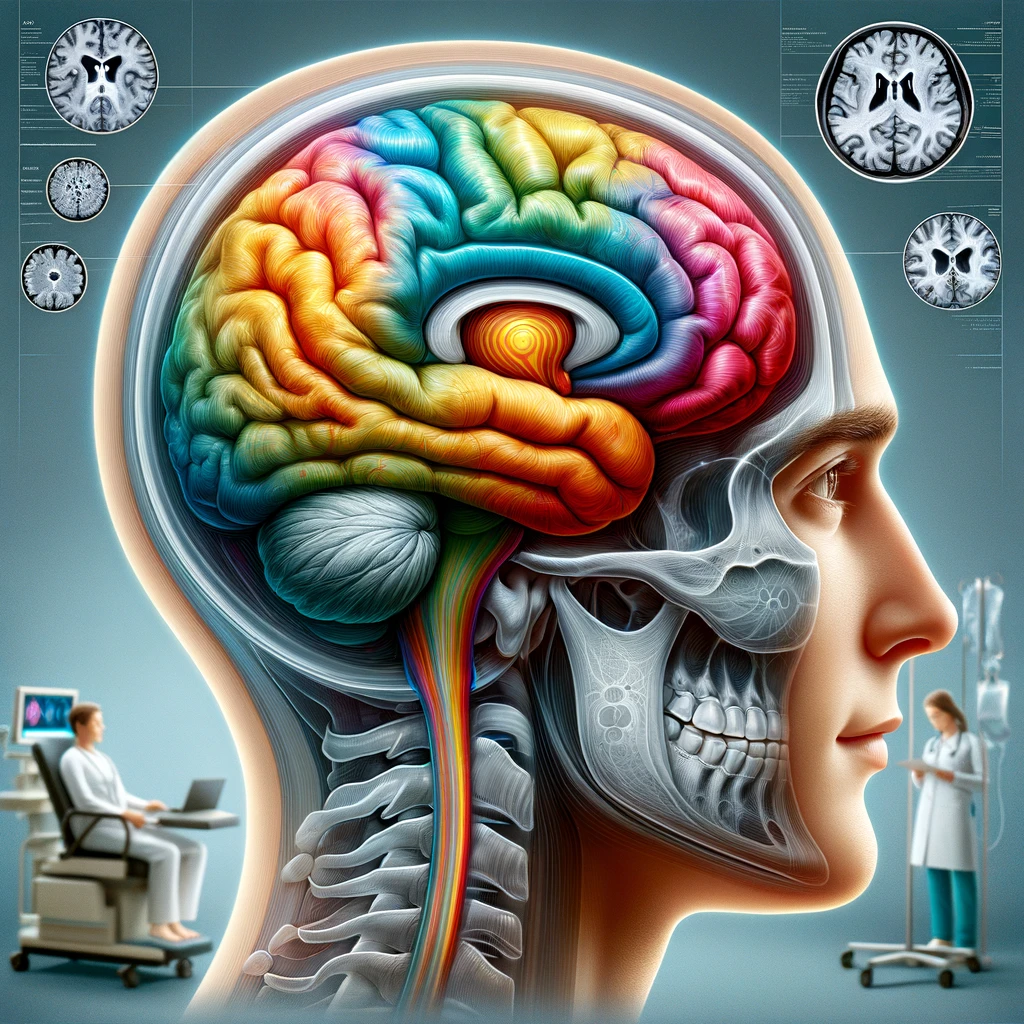

- Overview of functional neurological symptoms
- Cognitive behavioural therapy approaches
- Psychodynamic and interpersonal therapies
- Emerging therapeutic modalities
- Challenges and future directions
Functional neurological symptoms (FNS), also referred to as functional neurological disorder (FND), represent a group of disabling neurological complaints not explained by structural neurological disease. These symptoms can include motor disturbances such as limb weakness or tremor, non-epileptic seizures, sensory changes, gait disturbances, and visual symptoms, among others. Despite their presentation appearing similar to neurological conditions like epilepsy or multiple sclerosis, investigations typically reveal no consistent structural or physiological abnormalities.
Historically, FND was misunderstood and often dismissed as malingering or “all in the mind”. However, contemporary perspectives, informed by advances in neuroscience, psychiatry, and psychology, now conceptualise FND as a genuine condition lying at the intersection of brain function and psychological processing. The diagnosis is made positively, based on clinical features such as internal inconsistency, variability, and specific signs (e.g., Hoover’s sign for functional limb weakness), rather than by exclusion of other conditions.
Patients with FND frequently experience high rates of comorbid psychological issues, including anxiety, depression, and trauma histories. However, not all individuals with FND have a clear psychiatric diagnosis, underscoring the complexity and heterogeneity of the disorder. The symptomatology may be acute or chronic, and often leads to significant distress and impairment in social, occupational, and personal functioning.
Neurobiological studies suggest altered connectivity in brain regions responsible for emotion regulation, self-agency, motor planning, and attention in those with FND. These findings support the conceptualisation of FND as disorders of abnormal brain functioning, rather than brain damage. Consequently, there has been a shift toward recognising the value of psychological therapies, particularly cognitive behavioural therapy (CBT), as part of the multidisciplinary management of FND.
Psychotherapy tailored to FND seeks to address contributing psychological factors, maladaptive coping mechanisms, attentional focus on bodily symptoms, and the patient’s beliefs about illness. Mental health professionals play a crucial role within multidisciplinary teams, which may also include neurologists, physiotherapists, occupational therapists, and speech and language therapists, depending on the symptom profile.
FND remains one of the most common reasons for referral to neurology clinics, highlighting both the prevalence of the condition and the need for effective, evidence-based treatment approaches. Raising awareness and fostering collaboration between neurologists and mental health professionals is essential for improving outcomes for individuals living with FND.
Cognitive behavioural therapy approaches
Cognitive behavioural therapy (CBT) has emerged as one of the most widely studied and clinically endorsed treatments for patients with functional neurological symptoms (FNS), especially functional neurological disorder (FND). Its structured and collaborative approach aligns well with the multidimensional nature of FND, addressing both psychological and physiological processes. CBT for FND typically focuses on helping patients understand how their symptoms may arise from and be maintained by maladaptive thought patterns, unhelpful attention processes, avoidance behaviours, and misinterpretations of bodily sensations.
A cornerstone of CBT in the context of FND is psychoeducation, where patients are provided with a clear and accessible explanation of how functional symptoms develop in the absence of structural pathology. This can be a pivotal moment in treatment, as understanding the diagnosis is often the first step toward engagement and behavioural change. Psychoeducation also helps reduce stigma and fosters a sense of validation, countering the longstanding misconception that FND symptoms are imagined or feigned.
Therapists work with individuals to identify and challenge core beliefs and assumptions that may be contributing to symptom persistence. For instance, catastrophic interpretations of physical sensations—such as believing that a tremor indicates neurological degeneration—can heighten anxiety and fuel hypervigilance to bodily sensations. CBT helps patients explore alternative, less distressing interpretations and develop more adaptive cognitive responses.
Attention training techniques are often employed, aiming to reduce excessive self-monitoring or hyper-attention to physical symptoms. This is relevant given research suggesting that disrupted attentional networks in the brain are implicated in FND. Behavioural strategies, including graded exposure to avoided activities and physical rehabilitation exercises, are also incorporated to improve function and reduce disability. Many CBT programmes are delivered within a multidisciplinary model, with concurrent physiotherapy, which may incorporate CBT principles into motor retraining.
CBT can also address comorbid mental health difficulties frequently seen in individuals with FND, such as depression, panic disorder, or post-traumatic stress. Rather than treating symptoms in isolation, integrated approaches within CBT formulations allow for a unified treatment plan. In cases where trauma or interpersonal difficulties are part of the clinical picture, therapists may carefully adapt cognitive behavioural techniques to include elements of emotional regulation and interpersonal skill-building.
There is emerging evidence from randomised controlled trials and case series to support the efficacy of CBT for motor FND and dissociative seizures, with studies reporting improvements in symptom frequency, functional outcomes, and quality of life. However, engagement with therapy can be variable, and success is often linked to an individual’s understanding and acceptance of the diagnosis. This highlights the importance of collaborative communication between neurologists and psychological therapists, ensuring consistent messaging and a cohesive treatment approach.
Access to specialist CBT for FND remains limited in many regions, underlining the need for expanding training and services within mental health systems. Digital and group-based formulations of CBT are being developed to address service gaps, and early findings suggest these may be acceptable and effective. As awareness grows of the complex interplay between brain, behaviour, and context in FND, cognitive behavioural therapy continues to play a foundational role in its psychological management.
Psychodynamic and interpersonal therapies
Psychodynamic and interpersonal therapies offer an alternative psychological approach to the treatment of functional neurological disorder (FND), particularly suited to individuals whose symptoms may be linked to unconscious conflicts, maladaptive relational patterns, or early life adversity. These therapies aim to explore the emotional and relational underpinnings of symptom development and persistence, emphasising the role of unconscious processes and the therapeutic relationship itself as a vehicle for change.
Psychodynamic therapy focuses on the exploration of inner conflicts, past experiences, and defence mechanisms that may unconsciously influence an individual’s current functioning. In the context of FND, this may include unresolved trauma, suppressed emotions, or interpersonal dynamics that cannot be consciously articulated but manifest through physical symptoms. The therapist works collaboratively with the individual to help bring such issues into conscious awareness, allowing the patient to develop new insights and reduce psychological distress that may be driving their symptoms.
Therapists trained in psychodynamic methods typically pay close attention to patterns within the therapeutic relationship, viewing transference—how the patient unconsciously projects past relational experiences onto the therapist—as a window into longstanding interpersonal difficulties. Working through these patterns in a safe and structured environment can foster emotional growth and symptom resolution. For individuals whose FND symptoms are entwined with relational trauma or attachment disruptions, such an approach can be particularly meaningful.
Interpersonal therapy (IPT), though developed originally for the treatment of depression, has also been adapted for use with FND. It emphasises current interpersonal relationships and life circumstances, rather than deep unconscious dynamics, and seeks to improve communication, build social support, and resolve interpersonal conflicts. In FND, IPT may help patients understand how stress in relationships, losses, role transitions, or social isolation can trigger or exacerbate symptoms. By addressing these issues directly and improving interpersonal effectiveness, symptom improvement may follow.
Both psychodynamic and interpersonal frameworks recognise that FND symptoms often represent meaningful but maladaptive expressions of psychological distress and need, rather than arbitrary or purely neurological events. These therapies allow for a more exploratory and patient-led process, which can be particularly valuable for individuals who do not respond to more structured interventions like cognitive behavioural therapy or who have complex histories involving trauma or neglect.
Despite their growing use, there is comparatively less empirical research examining the efficacy of psychodynamic and interpersonal therapies for FND compared to structured forms of psychotherapy. However, initial case studies and open trials have demonstrated promising outcomes, particularly in reducing symptom frequency and improving psychological insight, emotional regulation, and overall functioning. Interest in these modalities continues to grow, and they are increasingly integrated within multidisciplinary services treating FND, especially where trauma-informed care is a priority.
Clinical assessments for FND routinely include evaluating the individual’s broader mental health and psychosocial background, which can help inform whether a psychodynamic or interpersonal approach would be suitable. Some mental health professionals trained in integrative models may combine aspects of psychodynamic formulation and interpersonal strategies alongside behavioural techniques, tailoring the intervention to the patient’s specific needs and history.
Emerging therapeutic modalities
Several novel therapeutic modalities are currently emerging in the treatment of functional neurological disorder (FND), reflecting growing recognition of the complex interplay between mind, brain, and body in this condition. These interventions aim to augment or offer alternatives to more traditional forms of psychotherapy, such as cognitive behavioural therapy (CBT), by targeting additional mechanisms thought to underlie FND symptoms, including neuroplasticity, sensory integration, and emotional regulation. Many of these approaches are in preliminary stages of development, but early findings are generating considerable interest within both mental health and neurology communities.
One such promising modality is mindfulness-based interventions, including mindfulness-based stress reduction (MBSR) and mindfulness-based cognitive therapy (MBCT). These approaches teach individuals to develop greater awareness and acceptance of thoughts, emotions, and bodily sensations without judgement. For patients with FND, who often experience heightened anxiety and increased attention towards physical symptoms, mindfulness can reduce symptom intensity by disrupting the amplification of distress and improving emotional self-regulation. Initial small-scale studies suggest that mindfulness interventions may lead to improvements in functional symptom burden and quality of life.
Another innovative area involves the use of neurofeedback and biofeedback techniques, which harness real-time physiological data—such as muscle activity or brainwave patterns—to help individuals learn to modulate bodily responses. In the context of FND, biofeedback can be particularly helpful for motor symptoms, allowing patients to gain awareness and control over involuntary movements. Additionally, neurofeedback that targets dysregulated brain networks holds promise for retraining patterns of hyperarousal or dissociation common in patients with dissociative seizures.
Sensorimotor retraining programmes have also attracted attention, particularly for individuals experiencing functional movement disorders. These interventions combine physical rehabilitation techniques with psychological frameworks, often integrating principles from CBT and modern neuroscience. Emphasis is placed on relearning movement patterns, shifting attention externally (away from symptom focus), and restoring a sense of agency. Virtual reality (VR) and mirror therapy have been trialled as adjunct tools to support this process, enhancing immersion and neurocognitive engagement in motor control tasks. Early trials have indicated improvements in motor function, symptom consistency, and patient confidence in movement.
Adaptations of dialectical behaviour therapy (DBT), which was originally developed for borderline personality disorder, are also being explored for individuals with FND, especially those with co-occurring emotional dysregulation and trauma histories. DBT combines cognitive and behavioural strategies with skills in mindfulness, distress tolerance, and interpersonal effectiveness. For patients whose FND symptoms emerge in tandem with intense emotional states or dissociative experiences, DBT offers a structure for stabilisation and emotional resilience-building. While research in this area is nascent, qualitative feedback from service users has been encouraging, with reports of reduced emotional reactivity and improved self-awareness.
The use of psychophysiological interventions, such as clinical hypnosis, also warrants mention. Hypnosis has been used to access and modulate unconscious processes, facilitating symptom improvement in cases where autonomic arousal, trauma or dissociation play a central role. Hypnotic techniques can also be used to access positive mental imagery and reinforce functional movements, and several case studies report successful outcomes in patients with functional tremor or gait disturbances.
Emerging digital therapeutics represent an increasingly accessible avenue for intervention. Smartphone-based applications and online platforms are being developed to deliver psychoeducation, symptom tracking, and self-guided modules incorporating principles of CBT and mindfulness. These tools may address service gaps, especially in regions with limited access to specialist mental health care, and can support treatment adherence through regular monitoring and feedback. Additionally, remote video-based therapy sessions have demonstrated feasibility and acceptability among patients with FND, highlighting the potential of telehealth to widen therapeutic reach.
There has been growing interest in integrative approaches that combine multiple therapeutic strategies into cohesive, personalised care pathways. These may include blending behavioural, interpersonal, and neurorehabilitation elements tailored to the individual’s symptom profile and psychosocial history. Such integrative modalities often involve close coordination between mental health professionals, neurologists, and rehabilitation specialists, ensuring continuity and coherence across treatment domains.
Challenges and future directions
Significant challenges remain in the delivery and scalability of effective psychological therapies for individuals with functional neurological disorder (FND), despite growing recognition of their clinical importance. One major obstacle is limited access to trained clinicians who are knowledgeable about FND and its treatment. Many psychologists, psychotherapists, and mental health practitioners have not received specific training in how to recognise and treat FND, contributing to inconsistent or inadequate provision of care. Given the complex interaction between neurological symptoms and psychological factors, general mental health services may be ill-equipped to address the unique therapeutic needs of this population without targeted expertise.
Diagnostic uncertainty continues to hinder timely and appropriate referrals to psychological therapy. Some patients experience long delays before receiving a clear diagnosis of FND, which may reduce their trust in medical professionals and make them more hesitant to engage in psychological treatment. Additionally, the misconception that FND is “not real” or “psychosomatic” persists among some healthcare providers and patients, creating barriers to accessing cognitive behavioural therapy or other forms of psychotherapy. Public and professional education remains an urgent priority to alter these ingrained attitudes and promote acceptance of FND as a legitimate neuropsychiatric condition requiring specialist care.
Patient engagement poses another complex challenge. Psychological therapies depend on a collaborative conceptualisation of symptoms, and success is often contingent on the patient’s ability to accept the diagnosis and participate actively in treatment. In some cases, strong beliefs in a purely biomedical cause of symptoms may lead to resistance toward mental health involvement or psychological explanations. Clinicians may need to invest significant time in psychoeducation and rapport-building to foster a shared therapeutic framework that validates the patient’s experience while gently introducing new models of understanding.
Service delivery models for FND remain fragmented, with wide variability in provision across geographical regions. Specialist multidisciplinary FND clinics are highly effective but remain limited in number and often struggle with long waiting lists. In many cases, individuals are referred between neurology, primary care, mental health, and rehabilitation services without consistent or coordinated support. Integrated care pathways that bring together neurological and psychological perspectives are needed to improve continuity of care and ensure patients do not fall through the gaps in the healthcare system.
The evidence base for some therapeutic modalities also requires further development. While cognitive behavioural therapy has demonstrated promising results in randomised controlled trials for motor FND and functional seizures, studies involving longer-term follow-up, larger sample sizes, and diverse patient populations are still needed. Moreover, little is known about the comparative efficacy of different psychotherapeutic approaches, including psychodynamic therapy, mindfulness-based interventions, and interpersonal therapy. Research aimed at identifying which subgroups of patients respond best to each modality is essential for developing more personalised and effective treatment protocols.
Diverse symptom presentations and comorbidities add another layer of complexity to treatment planning. Many patients with FND also contend with chronic pain, fatigue, anxiety, depression, or trauma-related disorders, necessitating integrative and flexible interventions. There is growing interest in modular or transdiagnostic therapeutic frameworks that can accommodate multiple symptom domains while still addressing the specific mechanisms contributing to FND. Such approaches require mental health professionals who can draw on a broad range of therapeutic techniques and adapt their methods in response to changing clinical needs.
Digital interventions, while promising, face unique implementation challenges. Engagement with online tools can be variable, and digital literacy, privacy concerns, and cultural factors may influence uptake and adherence. There is also a need for rigorous evaluation of these platforms to ensure they are clinically effective and safe for patients with complex presentations. Nonetheless, digital innovations remain a vital area for future development, particularly in rural or underserved regions where access to specialist psychotherapy services is lacking.
Looking forward, greater investment in research, clinician training, and service development is imperative to meet the growing demand for effective treatment of FND. Understanding how to optimise mental health care within neurological frameworks, facilitate early intervention, and reduce stigma around psychological therapies will be key to improving outcomes. Closer collaboration across specialties—bridging neurology, psychiatry, psychology, and rehabilitation—is fundamental to building systems that can support the nuanced and multidisciplinary needs of this patient group over time.