
- Understanding functional neurological disorder (FND)
- The role of peer-led FND support groups
- Bridging the gap between patients and professionals
- Support groups as platforms for public awareness
- Challenges and future directions in public engagement
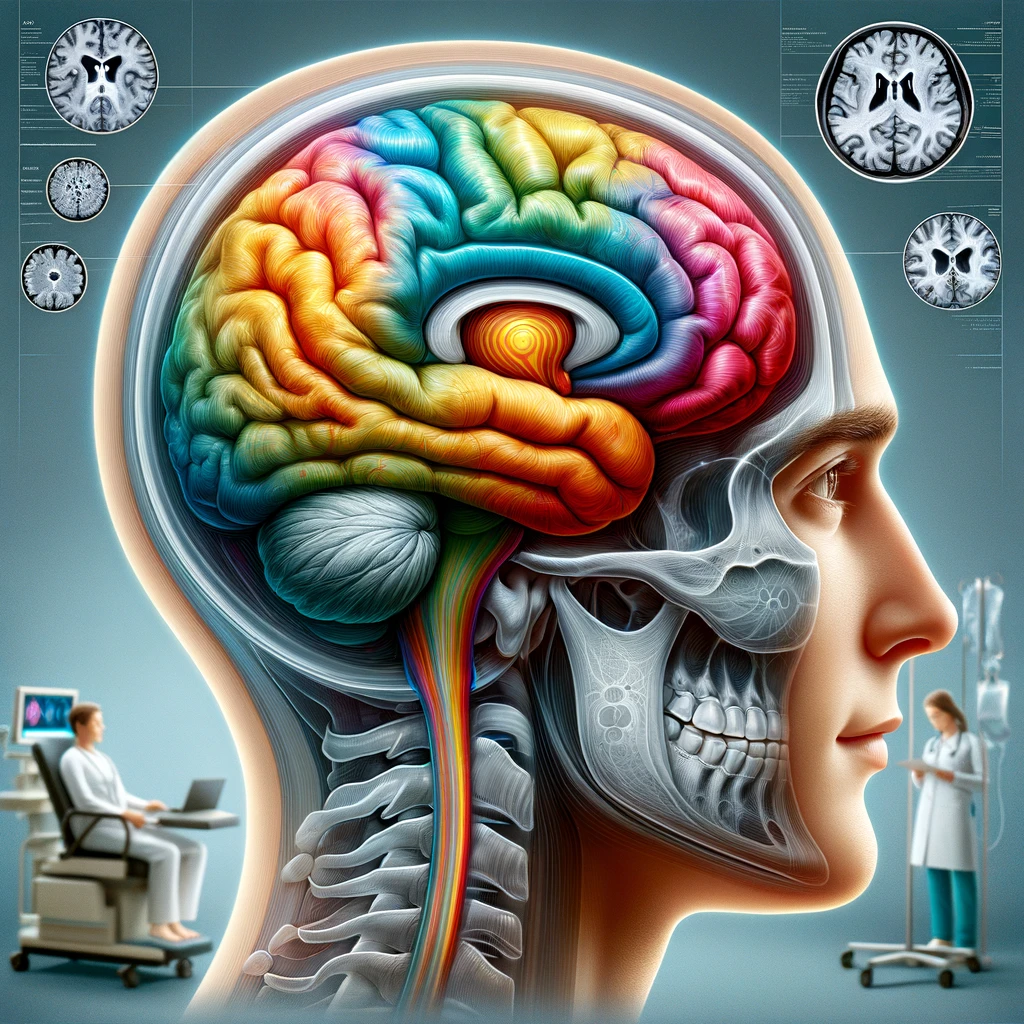
Functional Neurological Disorder (FND) is a condition in which patients experience neurological symptoms — such as limb weakness, seizures, tremors or speech difficulties — that are not caused by a structural disease of the nervous system. Rather, the issue lies in a problem with how the brain functions. Despite the symptoms being very real and often debilitating, FND remains one of the most misunderstood and stigmatised neurological conditions. This is in part due to its complex nature and the fact that traditional diagnostic tests, such as imaging or blood work, often return normal results, which can lead to dismissive attitudes or disbelief from healthcare providers, loved ones, and even patients themselves.
The challenges FND patients face are not purely clinical. Misconceptions surrounding the condition often delay diagnosis and access to appropriate care. Many patients undergo years of medical investigations and consultations before receiving a correct diagnosis, during which time their symptoms may worsen or become more entrenched. A lack of consistent information and specialist care compounds this problem, leaving individuals without appropriate treatment pathways or long-term management strategies.
Raising community awareness is crucial to tackling the stigma that surrounds FND. When more people understand that the condition is not ‘made up’ or ‘in the head’, but rather a disorder of neurological function triggered by complex interactions between brain, body, and environment, a more compassionate and informed approach to patient support can develop. Education of the general public, medical professionals, and even those directly affected by FND is key to improving outcomes and reducing the isolation that many patients experience.
Through knowledge sharing and visibility, organisations and FND support groups are empowering patients to better understand their condition. This, in turn, enables them to communicate their needs more effectively to others, fostering empathy and building a network of understanding. As health literacy around FND grows, more informed conversations can take place in medical settings, within families, and across social platforms, playing a vital role in the broader mission of public education around functional neurological disorders.
The role of peer-led FND support groups
Peer-led FND support groups have become a cornerstone of patient support by offering a safe space where individuals can connect, share experiences, and learn from one another. These groups are typically facilitated by individuals living with FND themselves, which adds a unique layer of empathy and authenticity to the support offered. Peer facilitators understand the often-frustrating journey through misdiagnosis, the emotional toll of chronic symptoms, and the daily challenges of managing a misunderstood condition. As such, the mutual understanding within these communities helps to reduce feelings of isolation and provides reassurance that individuals are not alone in their experiences.
The structure and format of peer-led support groups can vary, ranging from in-person gatherings to online forums and virtual meetings. This diversity allows for a more inclusive reach, particularly benefitting those in remote areas or individuals unable to leave their homes. Online platforms have become especially vital in recent years, offering an accessible means for people to connect regardless of geographical location. The regularity and continuity of these meetings foster a sense of routine and belonging, which is often lacking in the lives of FND patients due to the condition’s unpredictable nature.
Within these groups, participants exchange practical advice on symptom management, coping strategies, and navigating healthcare systems. This first-hand information can be invaluable, often filling the gaps left by medical consultations. Personal stories highlight effective therapies, suggest ways to communicate needs to professionals, and explore self-care techniques that may not be widely discussed but prove useful in daily life. This peer-to-peer education complements formal healthcare guidance and often empowers patients to take a more active role in managing their condition.
Equally important is the emotional support that these groups provide. Living with FND can be deeply isolating, especially when friends, family, or even medical professionals dismiss the condition. Peer-led support groups offer validation of symptoms and experiences, which can significantly ease anxiety and build confidence. The friendships and solidarity that form within these communities can have a powerful psychological impact, often leading to improved mental wellbeing and resilience in the face of ongoing challenges.
Support groups also play a pivotal role in fostering community awareness. As group members grow more knowledgeable and self-assured, many take on advocacy roles, speaking publicly or participating in awareness campaigns. Their collective voice helps challenge misconceptions about FND not just within medical institutions but across society as a whole. By creating a strong community network, these groups inspire a culture of understanding and inclusion that benefits both individuals living with FND and the broader public trying to comprehend this complex condition.
Bridging the gap between patients and professionals
The relationship between patients with FND and healthcare professionals is frequently marked by misunderstanding, scepticism, and frustration. Support groups serve a vital intermediary function, helping to bridge this divide by equipping patients with the language and confidence to articulate their experiences more effectively. Through shared knowledge gained in support group settings, patients become more informed about their diagnostical journey and treatment options, which in turn enables clearer communication with neurologists, physiotherapists, psychologists, and GPs. This stronger dialogue fosters mutual respect and understanding, helping healthcare providers to take a more empathetic and patient-centred approach.
Many support groups engage directly with clinicians by inviting them to participate in group meetings, webinars, or collaborative workshops. This interaction gives professionals a first-hand opportunity to hear from individuals living with FND, offering real-life perspectives that academic papers or medical textbooks may not fully convey. As a result, practitioners often develop a deeper appreciation of the day-to-day realities of FND and how their clinical decisions affect patients’ quality of life. These joint sessions have proven mutually beneficial, reducing the sense of alienation often felt by patients and informing professionals on best practices through lived experience.
Additionally, support groups can act as conduits for feedback from the FND community to medical institutions and research bodies. They often conduct surveys, gather anecdotal evidence, and compile written testimonies that highlight systemic issues in diagnosis and care. This information is instrumental in pinpointing gaps in training or service provision and can guide the development of more effective, inclusive healthcare policies. In this way, patient support groups become not only spaces for empowerment but also active contributors to systemic improvement within the healthcare landscape.
Collaborative initiatives between support groups and medical professionals have also led to the development of educational resources tailored for both patients and clinicians. Pamphlets, explainer videos, and online guides created with input from people living with FND ensure the materials reflect real-world needs and experiences. When distributed in clinical settings or through professional networks, these resources facilitate more compassionate and accurate care while also promoting community awareness of the condition.
Ultimately, by fostering open dialogue, validating patient experiences, and encouraging cooperative learning, support groups are helping to transform a historically fraught patient-provider relationship into a partnership. With patients feeling better supported and professionals feeling more informed, the shared goal of improved care and understanding for those affected by FND becomes all the more achievable.
Support groups as platforms for public awareness
Support groups have increasingly emerged as powerful vehicles for promoting public awareness of Functional Neurological Disorder (FND). Their foundation in lived experience positions them uniquely to communicate the realities of the condition to wider audiences in an authentic and compelling manner. By providing platforms where individuals affected by FND can share their personal narratives, these groups contribute significantly to dismantling myths and misinformation that persist in society. Hearing first-hand accounts helps the general public to understand the complexity and legitimacy of FND, encouraging a more empathetic and informed perspective.
Many support groups actively engage in organising awareness events such as community talks, online campaigns, media appearances, and educational workshops. These activities often coincide with FND Awareness Day or Awareness Month and are designed not only for those living with the condition but also for their families, employers, educators, and the general public. By leveraging social media and digital platforms, support groups ensure that their reach extends far beyond traditional boundaries, engaging younger audiences and tapping into broader online communities. This digital presence amplifies their message, generates conversations, and fosters inclusive dialogue around neurological disorders.
Educational materials tailored to non-clinical audiences are another key output of these groups. Leaflets, blog series, videos, and infographics produced in collaboration with patients and healthcare professionals are designed for clarity and accessibility. These tools are distributed at community events, through local councils, and across social channels, making them highly visible and engaging. The emphasis is often on practical information — what FND is, how it affects people, how to respond supportively — which demystifies the condition and highlights the importance of patient support and understanding at every level of society.
Moreover, support groups often act as spokespeople at the local and national levels, giving evidence to policy-makers or contributing to news features aimed at raising public consciousness. Their contributions to parliamentary discussions or health department consultations bring the patient voice to the forefront of decision-making processes. This not only fosters policy changes but also elevates the public profile of FND and solidifies the vital role of community awareness in shaping a more inclusive health landscape.
Empowered by their collective strength, many support group members also become advocates within their own communities. They may speak at schools, workplaces, or public health fairs, helping others to relate to FND in understandable terms. This peer-led community engagement encourages grassroots awareness that grows organically, person by person. It promotes recognition that conditions like FND are part of the broader spectrum of human health experience and deserve the same levels of compassion and support as better-known neurological disorders.
Challenges and future directions in public engagement
Despite substantial progress in recent years, efforts to engage the wider public with issues surrounding Functional Neurological Disorder (FND) still face numerous challenges. One of the persistent difficulties lies in the general lack of understanding within society. Because FND does not always present visibly or fit neatly into more familiar diagnostic categories, public misconceptions remain deeply entrenched. This lack of clarity hinders meaningful dialogue, leaves patients feeling marginalised, and slows the acceptance of FND into mainstream health conversations. Support groups play a crucial role in countering this dynamic, yet they often operate with limited resources and volunteer-based structures, which can constrain their reach and consistency in public education efforts.
Another obstacle is the continued underrepresentation of FND in foundational medical education. When future clinicians are not appropriately trained to understand or identify FND, this gap carries over into practice and perpetuates misunderstanding across the healthcare system. This, in turn, affects public perception, as medical professionals are often seen as authoritative voices in health discourse. Support groups and advocacy organisations have responded by pushing for systemic change, petitioning for inclusion of FND in medical curricula and the development of standardised care pathways. However, progress in institutional reform is often slow, and sustained effort is needed to maintain momentum.
In addition to these educational hurdles, the stigma surrounding invisible illnesses also complicates public engagement. Many people living with FND report experiences of disbelief, judgement or trivialisation regarding their symptoms. These social barriers deter individuals from speaking openly about their diagnosis, which limits the visibility and relatability of FND within public forums. Patient support initiatives facilitated by established groups strive to give voice to those hesitant to speak, but creating an environment where people feel safe to share their experiences remains one of the most difficult tasks in community awareness campaigning.
Looking ahead, the future of public engagement around FND hinges on fostering partnerships that extend beyond healthcare and patient communities. Collaboration with educational institutions, employers, media platforms, and cultural influencers could open new avenues for spreading knowledge in relatable ways. Interactive campaigns, theatre productions, podcasts, and art initiatives provide creative ways to humanise the condition and challenge stigma outside of traditional academic or clinical frameworks. By intersecting with everyday culture, community awareness efforts can become more resonant and far-reaching.
Technological innovation also holds considerable promise. As digital platforms grow increasingly sophisticated, support groups can leverage tools such as webinars, virtual reality experiences and social media storytelling to engage a broader audience. These technologies allow for immersive and accessible education that can adapt to diverse learning styles. Furthermore, data collection tools could provide reliable metrics to measure the impact of public outreach, enabling support networks to refine their approaches and demonstrate tangible benefits to funders, health authorities and the wider community.
Equally, the development of inclusive, multilingual, and culturally sensitive resources is critical for future engagement. Presently, much of the available information about FND is centred within anglophone or Western contexts. Support groups aiming to be globally impactful must expand their materials and outreach to reflect the broader diversity of individuals affected by FND. In doing so, they can ensure that patient support is not only accessible but also equitable, helping to reach marginalised populations who may otherwise lack reliable information or community connection.
Ultimately, continued investment in education, advocacy, and creative communication strategies will be key to overcoming the barriers that currently impede public understanding of FND. Support groups stand at the forefront of this movement, translating patient experience into points of connection that spark empathy and awareness. The coming years present an opportunity to build on this foundation, crafting a more informed and compassionate landscape in which those affected by FND are truly seen, heard, and supported.