
- What functional neurological disorder means
- Common symptoms and how they present
- Why FND is real and not imagined
- How to talk openly with loved ones
- Supporting someone with FND effectively
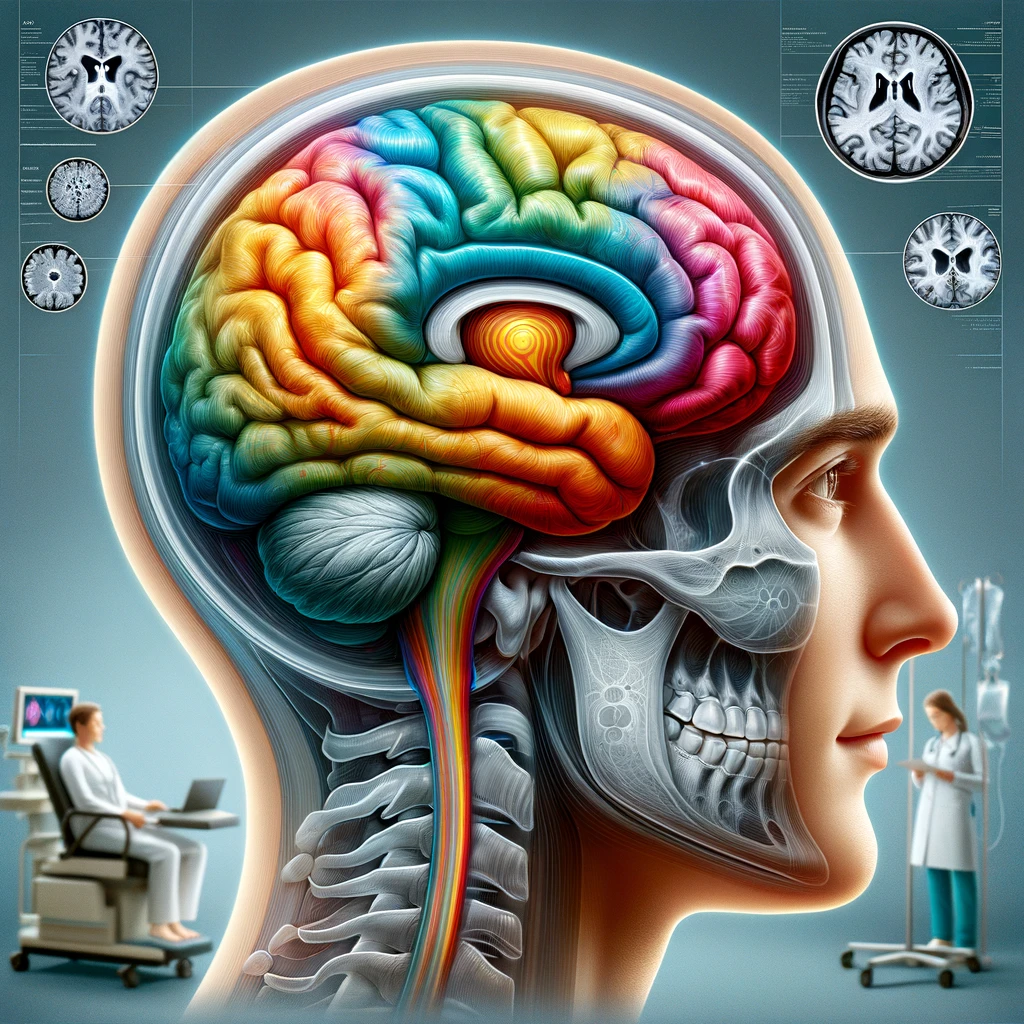
Functional Neurological Disorder, or FND, refers to a condition where there is a problem with the functioning of the nervous system rather than damage or disease to the brain or nerves themselves. In essence, the brain struggles to send and receive signals properly, leading to a range of physical and neurological symptoms. This can be confusing not only for those experiencing it but also for family and friends who may not have come across the condition before. That’s why raising awareness and encouraging patient education is vital in helping others to understand what FND actually means.
Unlike conditions caused by structural damage, such as a stroke or multiple sclerosis, FND involves a miscommunication within the brain’s networking systems. The body may react involuntarily, but the connection between the brain and bodily movements, sensations or even speech becomes disrupted. Although medical scans and tests often appear normal, which can be frustrating for patients, this does not mean the symptoms aren’t real or significant.
For example, someone with FND might experience seizures, weakness, tremors, or disturbances in speech or vision – all of which mirror symptoms of better-known neurological conditions. What’s different is that the root of the dysfunction lies not in the brain’s structure but in how it’s functioning. These changes are believed to be reversible with the appropriate support and treatment, though the recovery process varies widely from person to person.
Understanding the term “functional” in FND can be key when explaining the condition to others. It means that the nervous system isn’t functioning as it should — not that the person is faking or imagining their symptoms. Providing clear explanations can lead to better family support, which is not just reassuring but crucial in managing and living with FND effectively.
Common symptoms and how they present
Symptoms of FND can be wide-ranging and may manifest differently from one person to another. This variability can sometimes lead to confusion or misunderstanding among family and friends. However, becoming familiar with the common patterns of FND helps improve awareness and promotes compassionate responses from those around the person affected.
Some of the most frequently experienced symptoms include episodes that resemble epileptic seizures, but these are known as dissociative seizures or non-epileptic attacks in those with FND. Unlike epileptic seizures, they are not caused by electrical disruptions in the brain but are nonetheless involuntary and can be very distressing. Motor symptoms are also common; these might include limb weakness, paralysis, or abnormal gait, making daily tasks especially challenging.
Movement disorders are another feature of FND — this can include tremors, spasms, or jerky movements that the individual cannot control. Speech can also be affected, resulting in slurred speech, stuttering, or temporary loss of the ability to speak altogether. Visual symptoms are not uncommon either, such as partial blindness or seeing double, even though eye tests often return normal results.
One of the challenging aspects of FND is that symptoms may come and go, or fluctuate in intensity. This can lead to further misunderstanding, as it may appear to others that the individual is improving or that the symptoms are inconsistent. In reality, this variability is a recognised characteristic of FND and a reflection of how the condition uniquely presents in each individual.
Fatigue, sleep difficulties, and sensory sensitivities are additional symptoms that can have a significant impact on quality of life. Many people with FND also experience heightened anxiety, low mood, or brain fog. These are not separate problems but are often closely tied with the neurological symptoms and form part of the overall experience of living with FND.
Raising patient education and public awareness about the nature of FND symptoms can be incredibly helpful in ensuring that loved ones recognise the legitimacy of what the person is going through. Family support becomes particularly important in these situations, as understanding and acceptance from close relations can ease the emotional burden and aid in the person’s journey toward better health.
Why FND is real and not imagined
One of the most important things to understand about FND is that just because it doesn’t show up on traditional medical scans doesn’t mean it isn’t real. This misconception has led many with the condition to feel dismissed or misunderstood, both by medical professionals and by those closest to them. FND is a genuine and recognised neurological condition, officially classified by authoritative medical bodies such as the World Health Organization, and is now increasingly understood within the broader medical community. Symptoms such as seizures, paralysis, tremors, or speech difficulties are not faked or imagined—they are the result of altered nervous system functioning, outside of the person’s conscious control.
Because tests like MRI or EEG might return normal results in someone with FND, it is easy for untrained observers to question the presence of a ‘real’ illness. However, this is a misunderstanding rooted in outdated thinking. Modern neuroscience is helping to explain how the communication pathways in the brain can malfunction without causing structural damage. Simply put, the “hardware” of the brain may be intact, but the “software” — the way the brain processes information and sends signals — is disrupted. This can produce intense and sometimes debilitating symptoms, which are just as valid and impactful as those caused by structural diseases.
Another reason why misconceptions about FND persist is because of stigma around mental health and invisible illnesses. Some people assume that if you can’t see the illness, or if it doesn’t fit a familiar pattern, then it must be exaggerated or psychosomatic. In fact, FND is distinct from purely psychological disorders, though stress and trauma can sometimes be contributing factors. Crucially, that doesn’t imply weakness or attention-seeking—no one chooses to develop FND. Rather, the nervous system has found itself in a state it can’t easily break out of, and this affects the whole person: physically, emotionally, and cognitively.
Recognising FND as a legitimate medical condition is essential not only for the individual but also for those around them. Patient education is key here—not only for the person diagnosed, but also for friends, partners, and family members who may find the symptoms confusing. When people understand that FND is real and serious, it encourages empathy and a more supportive environment. Raising awareness among family and friends also opens the door for more honest communication, which builds the trust needed for effective support at home and in social situations.
Family support, when grounded in understanding, becomes a powerful aid in someone’s path to managing FND. Those close to the person can play a vital role just by acknowledging their experience and avoiding scepticism. Validation—simply believing someone when they describe their symptoms—can be incredibly healing in itself. While healthcare professionals guide treatment, consistent emotional backing from loved ones can keep someone with FND from feeling isolated or dismissed, which often happens when a condition lacks visible evidence.
How to talk openly with loved ones
Opening up to loved ones about living with FND can feel daunting, especially when the condition is not widely understood. However, open and empathetic communication is a key part of fostering awareness and building a supportive environment. It’s important to approach these conversations with honesty, but also with the understanding that your family and friends may initially be confused or unsure how to respond. Using clear, straightforward language can help correct misconceptions and make the invisible aspects of FND more tangible for others.
Begin by explaining that FND is a recognised neurological disorder and not the result of faking symptoms or mental weakness. This foundation can help shape the conversation around the reality of the condition. You might use comparisons — for example, describing FND as a “computer software issue”, where the hardware (brain structure) is fine but the system is not working as expected. This analogy can sometimes make the concept easier to grasp for those unfamiliar with neurological terminology.
It’s also useful to share how FND affects you personally, whether it’s the unpredictability of symptoms, the impact on daily routines, or the emotional toll it can take. By speaking from your own experience, it encourages empathy and reduces the chance of your loved ones seeing the condition as a set of abstract medical terms. Letting others know what your specific needs are — such as patience during flare-ups or assistance with certain tasks — prepares them to offer the kind of family support that is most effective for you.
Patience is often needed on both sides. Just as you’re navigating the challenges of living with FND, your loved ones may be learning about it for the first time. They might ask questions that feel frustrating or make comments that stem from a lack of understanding. Try to frame these moments as opportunities for patient education, pointing them toward reliable sources of information or encouraging them to attend a medical appointment with you if possible. Involving them in your healthcare journey can deepen their awareness and connection to what you’re experiencing.
It may also help to clarify that stress or emotional factors can sometimes worsen FND symptoms, but that isn’t the same as saying the condition is “all in the head.” Educating loved ones about this distinction is crucial. Emphasise that FND symptoms are involuntary and real, and that invalidating them only adds unnecessary stress. When family members understand the neurological basis of your condition, they are more likely to respond with compassion rather than scepticism.
Encouraging openness and creating a safe space for conversation means both you and your loved ones can express feelings honestly, without judgement. This strengthens relationships and builds a foundation of mutual respect. Even if they don’t fully understand every detail at first, demonstrating that they are willing to listen and learn goes a long way. Awareness is not about everyone becoming experts, but about fostering trust and showing that no one has to go through FND alone.
Supporting someone with FND effectively
Offering effective support to someone living with Functional Neurological Disorder requires a balance of empathy, practical assistance, and an ongoing commitment to understanding the condition. FND can be unpredictable and, at times, overwhelming—not just for the person experiencing the symptoms, but also for their close family and friends. Therefore, awareness and patience play a crucial role in creating a supportive environment where the individual doesn’t feel judged, isolated, or misunderstood.
One of the most valuable forms of support is simply listening without trying to solve or minimise the situation. Validating the person’s feelings and experiences can be deeply reassuring. Instead of focusing on trying to “fix” things, acknowledge that what they are going through is real, even if the symptoms change or don’t always make sense outwardly. This helps maintain trust and avoids the harmful impact of scepticism, especially when symptoms are invisible or come and go unpredictably.
Offering practical help can also make a significant difference. Supporting someone with FND might mean assisting with mobility, helping manage appointments, or being present during medical consultations to provide emotional reinforcement. Simple acts such as preparing meals or doing household tasks during a flare-up show that care is being taken seriously. It’s important, though, to strike a balance—encouraging autonomy where possible while stepping in when needed.
Flexibility is essential because FND symptoms can fluctuate day by day. Plans may need to be adjusted, and routines reconsidered. Being understanding when cancellations or limitations occur reduces stress and removes the mental burden often associated with having to constantly explain or apologise for things beyond one’s control. Recognising these challenges without judgement fosters a shared sense of resilience and mutual respect.
Patient education is another key aspect of providing meaningful support. Taking the time to learn about FND from reliable sources demonstrates a commitment to the person’s wellbeing. It also equips family members and friends with the language and context needed to navigate conversations and respond sensitively to symptoms. Whether through medical websites, patient leaflets, or attending support groups, this learning process shows the person with FND that they are not alone in facing the condition.
Effective family support should also include helping the person maintain social connections and emotional wellbeing. FND can lead to feelings of isolation or frustration, especially when physical symptoms interfere with daily life. Encouraging inclusive, low-pressure activities and maintaining regular contact can lift morale and provide moments of relief from the daily mental load of illness. Even sending a thoughtful message or checking in regularly can give someone a sense of normality and remind them they’re valued for more than just their condition.
Lastly, never underestimate the power of encouragement. Progress with FND varies and is often gradual. Celebrating small achievements—whether it’s managing a difficult appointment, walking a little further, or coping with fewer symptoms on a given day—reinforces a sense of capability and hope. When family members and friends display optimism and belief in the person’s efforts, it fosters a positive mindset that’s essential for navigating the ups and downs of FND.