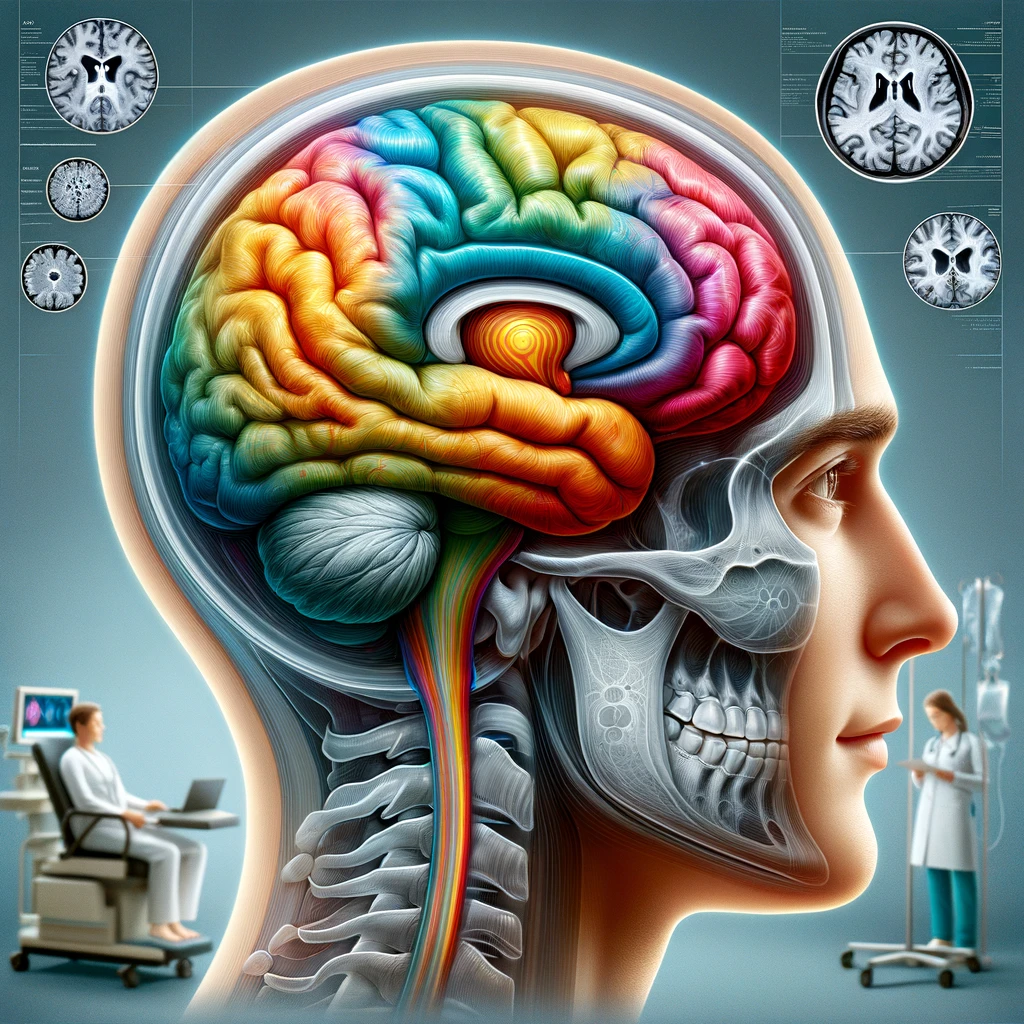

- Understanding functional seizures
- Common signs and symptoms
- Differentiating from epileptic seizures
- Psychological and physical triggers
- When to seek medical help
Functional seizures, also referred to as dissociative seizures or non-epileptic attacks, are a type of seizure that outwardly resemble epileptic events but are not caused by abnormal electrical activity in the brain. Instead, they are associated with functional neurological disorder (FND), a condition in which there is a problem with how the brain sends and receives signals, rather than a structural issue detectable on standard tests such as MRI or EEG.
The experience of a functional seizure can be deeply distressing for the individual, and because the physical manifestations can appear very similar to epilepsy, they are sometimes classified as an “epileptic mimic.” This similarity often leads to misdiagnosis or delayed diagnosis without a thorough differential diagnosis, which should include a detailed patient history, neurological examination, and referral to a specialist when needed. In many cases, video-EEG monitoring is used to observe seizures in a controlled setting and confirm whether the events are epileptic or functional in nature.
Rather than stemming from identifiable brain lesions or electrical hyperactivity, functional seizures are believed to arise from a complex interaction between psychological, biological, and social factors. Many individuals with FND, including those with functional seizures, report a history of psychological stress, trauma, or underlying mental health conditions such as anxiety or depression. However, these experiences are not universal, and the condition affects a broad range of people regardless of background.
Understanding the nature of functional seizures is vital for appropriate management, which often requires a multi-disciplinary approach, including psychological therapy, neurology input, and sometimes physiotherapy or occupational therapy. Because standard anti-epileptic drugs are typically ineffective for functional seizures, accurate recognition and treatment planning based on the principles of FND are key to improving patient outcomes.
Common signs and symptoms
Recognising the signs and symptoms of functional seizures can be challenging, given their variability and resemblance to epileptic seizures. However, certain features tend to be more commonly associated with functional seizures and may serve as helpful indicators when seeking a diagnosis. One hallmark feature is the presence of episodes that occur in clear consciousness, such as prolonged unresponsiveness without the typical postictal confusion that follows epileptic seizures. These events may also involve movements that are asynchronous or fluctuate in intensity, including tremors, jerks, or thrashing, which tend to follow no particular pattern and can sometimes stop and start again during the same episode.
Another common sign is the duration of the seizures. Functional seizures often last longer than epileptic ones, sometimes stretching over several minutes, and may even continue for up to an hour or more. There is often a lack of typical physical signs found in epilepsy, such as tongue biting or incontinence. People experiencing functional seizures are also less likely to be injured during an episode, partly because they may retain some degree of environmental awareness, even if unconscious during the event.
Functional seizures are frequently accompanied by other symptoms of Functional Neurological Disorder (FND), such as limb weakness, non-epileptic blackout episodes, or speech difficulties. Emotional distress including anxiety or panic may precede or accompany an event, and some individuals may also report feelings of dissociation or “being disconnected” from their surroundings or body. This can manifest as a sense of watching the event from outside themselves or feeling unreal at the moment seizures happen.
Unlike seizures linked to an identifiable electrical disturbance in the brain, functional seizures are considered an “epileptic mimic”, meaning their external presentation closely resembles epileptic seizures but their underlying cause differs. This makes the process of differential diagnosis especially important. For many, the seizures become apparent during periods of heightened psychological or physical stress, and they may occur in specific environments or situations that trigger emotional discomfort. However, this is not universal, and some people may experience episodes with no clear emotional context.
It is also not uncommon for people with functional seizures to have been previously diagnosed with epilepsy, sometimes leading to years of treatment with anti-seizure medication that does not alleviate symptoms. In these situations, clinicians often re-evaluate the diagnosis using video-EEG monitoring to observe the seizure as it occurs and determine whether it is epileptic or functional in origin. Recognition of the patterns typical of FND allows for more targeted management, helping to reduce the frequency of seizures and improve overall quality of life.
Differentiating from epileptic seizures
Distinguishing functional seizures from epileptic seizures can be extremely challenging due to their similar external appearances. However, there are several clinical features that help guide a differential diagnosis and aid healthcare professionals in identifying the correct underlying cause. One of the key differences lies in the origin of the seizures: whereas epileptic seizures are caused by abnormal electrical discharges in the brain, functional seizures—part of the spectrum of Functional Neurological Disorder (FND)—do not show such electrical activity on standard diagnostic tools like EEG during an event.
In practice, one useful tool for distinguishing between the two is video-EEG monitoring. During this test, electrical brain activity is recorded while the patient is observed on video. In cases of true epilepsy, seizures are accompanied by changes in brain wave patterns. In individuals with functional seizures, no significant electrical abnormalities are observed, even when physical convulsions or unresponsiveness are occurring. This is often a critical moment in reaching a correct diagnosis, especially in cases where anti-epileptic medication has proven ineffective.
Seizure characteristics may also help distinguish between the two types. Functional seizures often involve side-to-side head movements, pelvic thrusting, or irregular, highly variable limb movements that are inconsistent with typical epileptic seizure patterns. These movements may vary substantially across events and even within a single episode. In contrast, epileptic seizures tend to have more stereotyped, consistent patterns across multiple episodes. Additionally, functional seizures are more likely to occur in the presence of others or in response to stressful or emotionally charged situations, which could be a reflection of psychological or situational triggers, although this is not always the case.
Another key marker is awareness during the episode. People experiencing a functional seizure may maintain partial awareness or recall during an event, which is less common in generalised epileptic seizures. Furthermore, the recovery phase after a functional seizure is often quicker and lacks the so-called postictal state—confusion, fatigue, or disorientation—that typically follows an epileptic event. It is important to note, though, that not every person with functional seizures experiences the same set of features, so clinical suspicion must be supported by comprehensive assessment.
Because functional seizures are an epileptic mimic, misdiagnosis is a significant concern. Studies suggest that a notable proportion of individuals initially diagnosed with intractable epilepsy are later reclassified as having functional seizures after appropriate testing. This misclassification can lead to years of ineffective medication, potential side effects, and considerable distress. Thus, early referral to a specialist centre for detailed evaluation is crucial, especially when the seizure presentation is atypical or resistant to standard treatments for epilepsy.
Understanding the implications of FND and distinguishing functional seizures from epilepsy is not just clinically significant, but also essential for providing appropriate management. Once correctly identified, patients can be directed toward treatment approaches that are better suited to functional seizures, such as cognitive behavioural therapy, rather than relying solely on neurological interventions. Accurate differentiation enhances not only treatment outcomes but also the individual’s wellbeing and long-term recovery prospects.
Psychological and physical triggers
Identifying the psychological and physical triggers of functional seizures is a key aspect of understanding the condition and guiding effective management. Although the precise cause of functional seizures can vary from person to person, a wide range of triggers have been reported, many of which relate to stress, emotional trauma, or underlying mental health concerns. These triggers do not operate in isolation but interact with the individual’s unique psychological and neurological makeup, reflecting the complex nature of Functional Neurological Disorder (FND).
Emotional stress is among the most commonly cited psychological triggers. This may include acute situations such as conflict, bereavement, or traumatic events, as well as chronic stress from work, relationships, or other life pressures. In some cases, individuals describe experiencing flashbacks or panic attacks immediately prior to a seizure, particularly if they have a history of trauma or post-traumatic stress disorder (PTSD). Anxiety and depression, which are frequently comorbid with FND, can also heighten vulnerability to functional seizures, either by amplifying the frequency of episodes or by increasing the individual’s overall susceptibility to symptomatic expression.
Another frequently observed factor is dissociation, where a person temporarily experiences a disconnection from their thoughts, identity, or sense of reality. Dissociation may serve as a coping mechanism in overwhelming situations and, in the context of FND, is believed to contribute to the onset of functional seizures by disrupting normal patterns of consciousness and body awareness. This sensation of detachment can become a key internal trigger, particularly when linked with unresolved psychological conflict or defence against emotional pain.
Physical triggers also play an important role. These may include fatigue, illness, pain, or changes in sleep patterns. For example, significant sleep deprivation is widely recognised as a contributing factor, perhaps lowering a person’s threshold for functional seizures in the same way it can lower the seizure threshold for epileptic events. Hormonal changes, particularly those relating to the menstrual cycle, have been reported in some individuals as influencing the timing or severity of episodes. Furthermore, hyperventilation or excessive physical exertion may act as a direct provocateur for some individuals, particularly when connected with stress, leading to heightened physiological arousal that mimics responses commonly seen in panic or anxiety states.
In certain cases, situational or environmental cues can function as reminders of past trauma or distress, acting as implicit psychological triggers. For example, entering a crowded space, hearing loud noises, or facing particular social settings may initiate a functional seizure. Sometimes these are referred to as conditioned responses that have developed over time without the person consciously realising the association. Understanding these patterns can be instrumental for both the individual and healthcare professionals in identifying opportunities for intervention and coping strategies.
While no two people experience functional seizures the same way, awareness of these diverse triggers is essential in building a differential diagnosis and tailoring treatment to the individual. Unlike epileptic seizures that result from specific neural discharges, the causes of functional seizures are more closely linked to psychosocial and bodily stressors. As such, recognising and managing triggers becomes a central part of therapeutic work in FND. This often includes referral to psychology or psychiatric services and implementing approaches such as cognitive behavioural therapy (CBT), which can help the person build skills to respond to triggering stimuli more adaptively.
Because functional seizures fall under the broader category of FND and may present as an epileptic mimic, it is essential that treatment addresses both the mental and physical domains. Patients frequently benefit from learning about the way stress and bodily responses interact, and in some situations, physiotherapy or relaxation techniques like mindfulness can support overall symptom reduction. Ultimately, a thorough understanding of individual triggers improves not only treatment planning but also helps reduce the confusion and fear that can surround the unpredictable nature of functional seizures.
When to seek medical help
Seeking medical help is crucial when an individual begins to experience recurrent episodes that resemble seizures, particularly if the events are unexplained, sudden, or distressing in nature. Although functional seizures—classified under Functional Neurological Disorder (FND)—do not involve the abnormal electrical brain activity seen in epilepsy, their impact on daily life can be equally disruptive. Prompt consultation with a general practitioner is essential in initiating a thorough evaluation and guiding further referral to appropriate healthcare specialists, such as neurologists or psychologists.
One of the key indications for seeking medical advice is experiencing frequent or prolonged seizure-like episodes that are not explained by a known diagnosis. Events that are resistant to standard epilepsy medications, or those that have changed in nature or frequency, also warrant investigation. Since functional seizures often act as an epileptic mimic, it is easy for them to be misdiagnosed as epileptic in origin, particularly if diagnostic tools such as electroencephalography (EEG) or MRI have not yet been utilised. In many cases, a clear differential diagnosis can only be made through video-EEG monitoring conducted in a specialist setting, where both physical symptoms and brain activity are recorded simultaneously.
It is particularly important to seek medical help if seizures begin to impact quality of life. This may include situations where the person avoids leaving the house, experiences injuries during episodes, loses employment, or notices a significant deterioration in mental health. Functional seizures may coexist with anxiety, depression, or a history of past trauma—or may even emerge during periods of acute emotional or psychological stress without a prior mental health diagnosis. Therefore, support from mental health services may be an important component of care, alongside neurological support.
Emergency medical attention should be sought if a person is injured during an episode or if an episode lasts more than five minutes without signs of recovery. Although functional seizures are not caused by the same neural discharges that lead to status epilepticus in epilepsy, it is not always possible in the moment to distinguish the two. When in doubt, it is safer to treat the situation as a medical emergency until appropriate assessments confirm the nature of the seizures.
Seeking help early provides benefits beyond the initial diagnosis. Timely recognition that the episodes are part of FND can prevent years of ineffective treatment with anti-seizure medications which are unlikely to improve functional seizures. It also opens the door to interventions that are specifically designed to address the condition, such as physiotherapy, psychological therapy, or occupational support. Collaborative care involving neurology, psychology, and often rehabilitation therapy yields the best outcomes for people with functional seizures.
If you or someone you know has received a diagnosis of epilepsy but continues to experience seizures despite treatment, or if the clinical picture does not quite fit typical epilepsy, this may be an indication for a re-evaluation. Misdiagnosis is a well-documented risk due to the epileptic mimic nature of functional seizures. Requesting further investigation, including referral to an epilepsy specialist or FND clinic, is appropriate and can significantly alter the treatment pathway for the better. Empowering patients with accurate information and access to specialist care ensures the best chance for stabilisation, symptom reduction, and improvement in overall wellbeing.